

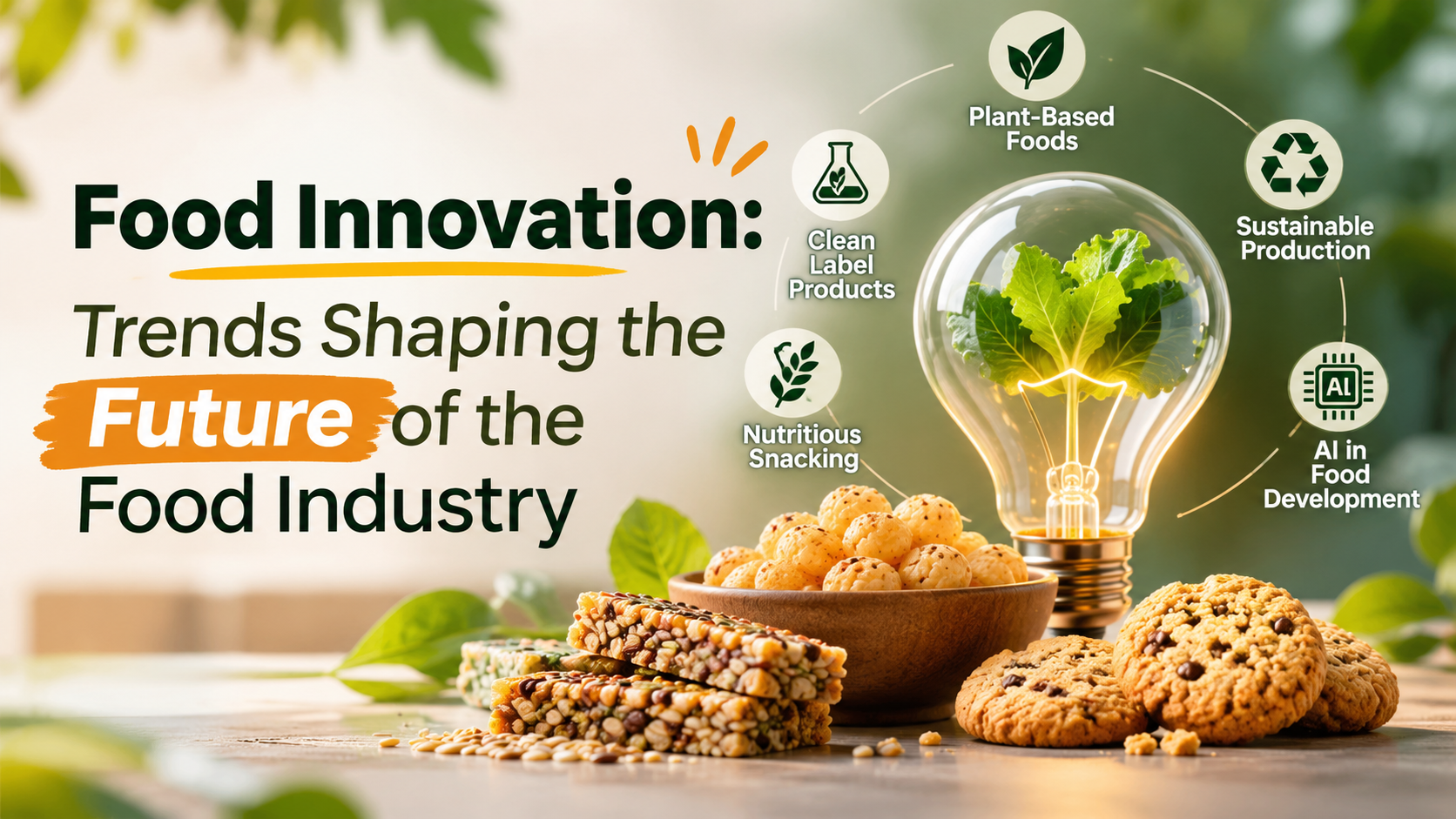
Go to any grocery store today and the shelves look pretty much like they did two decades ago. Cereal boxes are loud and colorful, the vegetables get a light spray of mist, and bread sits in the middle aisles. What you don’t see is the work going on behind the scenes. Scientists and food makers are questioning how a dinner should be made in the first place. People talk a lot about food innovation, but these high-tech ideas are still a tiny share of what the world actually eats. That said, the change is building up slowly, and it reaches everything from how lettuce is picked to how a soup tub gets sealed.
Why Food Innovation Matters More Than Ever
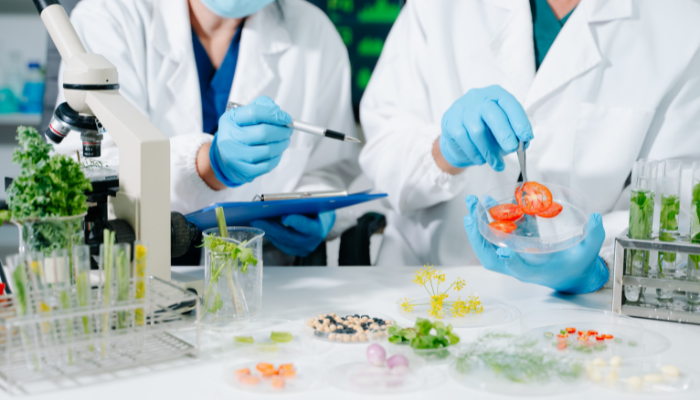
Feeding everyone is turning into a tough calculation. By 2050, there will probably be 9.7 to 10 billion people on Earth. Clearing more forests or emptying underground water supplies for extra grain is not an option. Regular farming is already working near its limit, and people also want healthy food that doesn’t hurt the environment. This is the gap food innovation is trying to fill. Farms and food brands have to get more nutrition out of less land and waste far less, or shortages will soon become a regular worry.
Plant-Based Foods Are Getting a Big Upgrade
Remember the first meat-free burgers from years ago? Most people say they tasted like seasoned cardboard, and that wasn’t good. Things have improved a lot since then because food companies got more inventive. Rather than depending only on crushed soybeans, researchers now work with mycelium, the thread-like root system of mushrooms. It grows in long strands that look and chew a lot like chicken breast. Some teams go with precision fermentation instead. They feed plain sugar to yeast, and the yeast produces real dairy whey and casein. So you can get cheese that melts and bubbles with no cow involved. The main problem today is habit. Plenty of shoppers feel uneasy about lab-fermented cheese or mushroom roots, so winning them over on taste takes real effort.
New Protein Sources People Actually Want
Beef and pork need a lot of land and water, which is why researchers are looking for proteins that use less. These products sound like science fiction, but they are slowly finding a way into the market.
| Protein Source | How It Is Made | Key Detail |
| Cultured Meat | Grown from real animal cells inside steel bioreactors. | Tastes like actual animal muscle, but safety agencies and regulators are slow to approve it. |
| Edible Insects | Crickets are dried, roasted, and ground into a fine flour. | Contains about 55% to 65% protein and needs very little land or water. |
| Algae | Raised in shallow indoor tanks and turned into dry powder. | High in Omega-3 fats, the kind we usually get from ocean fish. |
Cost is the biggest catch with every one of them. Hardly any are cheap enough for regular family dinners yet.
Food Made to Fit Your Body
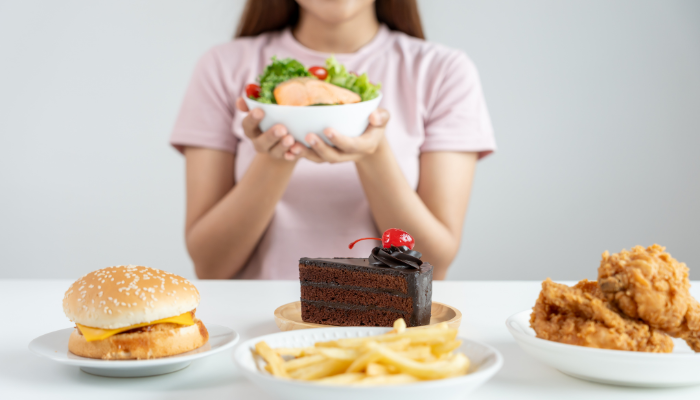
What keeps your coworker energetic might leave you tired after lunch. Bodies handle food differently, and personalized nutrition tries to deal with that. You order an at-home kit and send in either a cheek swab for DNA or a small stool sample to test your gut bacteria. A lab goes through the results and sends them to a phone app. Say the test shows your blood sugar shoots up after simple starches. The app will tell you to eat less white bread and add some olive oil or nuts. No more guessing, though the kits are still too pricey for most people to buy casually.
Growing Food Without Harming the Planet
Farming no longer always happens outdoors. More leafy greens are now grown in old city warehouses through vertical farming.
- Stacked Trays: Crops grow in metal beds stacked all the way up to the ceiling, which saves a lot of floor space.
- Custom Lighting: The plants never see real sunlight. LED lights tuned to the exact pink and blue wavelengths give them what they need for photosynthesis.
- Resource Trade-Offs: Roots hang in mist or nutrient water instead of soil, and this cuts water use by up to 95% compared to outdoor fields. The catch is electricity. Bright lights and big air conditioners running all day and night use a lot of power.
Everyday Foods That Support Health
People don’t only want to feel full. They want food that helps them stay fit. That’s why healthy groceries that aid digestion or reduce stress have become a big trend. They are called functional food products. For example, you can buy a tub of ashwagandha root powder and stir half a teaspoon into your morning tea to help lower stress hormones. Or you can buy drinks and snacks with live probiotics, which feed the good bacteria in your gut and help stop painful bloating. This used to be a small market limited to health shops, but now you can find these products on ordinary supermarket shelves.
Quick Meals That Still Taste Great
A fast dinner used to mean a frozen meal full of sodium and artificial preservatives. Food innovation helps here too, and High Pressure Processing (HPP) gives busy families healthy options on weeknights. Workers seal freshly made dishes in flexible trays, put them in tanks of cold water, and push the water pressure up to roughly 87,000 pounds per square inch. The huge pressure kills dangerous mold and bacteria right away, and nothing gets cooked. With no heat, the vitamins stay intact, vegetables stay crisp, and the meal tastes as good as one you cooked on your own stove twenty minutes ago.
Packaging That Creates Less Waste
Throwing away plastic trays and bags after every lunch is a big problem. Because of this, packaging companies are testing wrappers that disappear by themselves.
- Seaweed Films: Thin packets made of seaweed extract can hold cooking oil or instant coffee. Drop the whole pod into boiling water, and the film dissolves without leaving a trace or changing your drink.
- Cornstarch Plastics: Takeaway containers made of corn starch look and bend like regular clear plastic. At a commercial compost site running at 140°F (60°C), they break down into ordinary soil, usually within a few months if conditions are right.
Conclusion
Feeding billions of people on a stressed planet is not simple. Real food innovation is slow and messy, and most of these ideas have a long way to go. Right now, cultured meat and personalized diet kits are out of reach for average budgets, and indoor farms still need to fix their high power use. But once companies learn to scale up and prices come down, more of these options will reach the mass market. There are plenty of kinks to sort out before these products fill our grocery shelves. Still, if it goes well, eating healthy, clean food won’t be a luxury, and food innovation could change the way we eat for good.
Ready to take your brand to the next level? Book a personal business consultation with Ravi Somani to get expert, actionable strategies tailored to your market. Uncover your roadblocks and build a clear roadmap for success. Schedule your one-on-one strategy call today!